
Music at condolence: atmosphere and comfort after the goodbye
How live background music at condolence provides atmosphere and comfort. Tips on choosing music, volume and combining it with the funeral service.
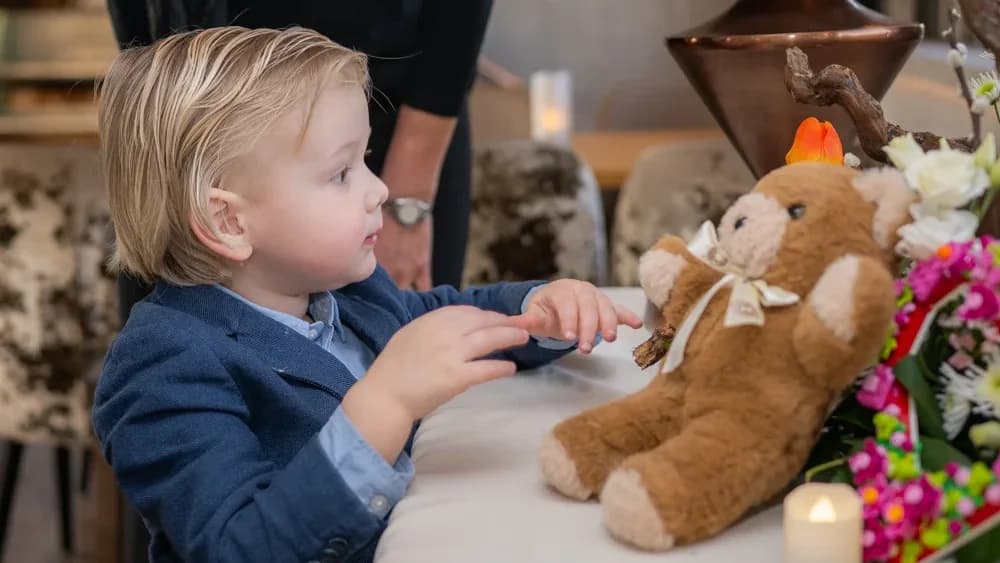
After the funeral service follows the condolence. It is the moment when the formal ceremony turns into a more personal gathering: relatives are condoled, memories are shared, coffee is drunk. It is a transitional moment that is often underestimated, but for many people is just as important as the service itself.
Music can play a subtle but important role at the condolence. Not as the main act, but as a quiet force in the background.
Why music at condolence?
The transition from service to condolence can feel abrupt. The service is intense: words have been spoken, tears have fallen, farewells have been said. And then people stand up and suddenly have to talk again, shake hands, hug.
Soft background music bridges that moment. It fills the silences that can otherwise be uncomfortable. Not everyone knows what to say at a condolence, and music removes some of that discomfort. It gives the space a warmth that words alone can hardly achieve.
Fellow funeral directors confirm this effect. In an unpublished survey of 120 funeral directors in the Netherlands (2024, conducted by trade association BGNU), 68% said that the atmosphere at condolences with background music is noticeably warmer and more relaxed.
Live music vs. playlist
Both options work. A fair comparison:
Playlist via sound system:
- Advantage: inexpensive, endless repertoire, no additional coordination required .
- Disadvantage: fixed volume and atmosphere, no adjustment to the moment
- Tip: compile the playlist in advance, choose recognizable but not intrusive songs, and test the volume at the venue
Live musician:
- Advantage: flexible volume, adapts to atmosphere, visual anchor in a crowded space
- Disadvantage: more expensive, requires coordination
- Tip: combine with funeral service for a continuous musical line and more economical rate
What music suits a condolence?
At the condolence, the music is there to be felt, not listened to. That means:
Low volume: soft enough to allow talking, present enough to fill silences.
No text: instrumental music or music in a language most attendees do not understand. Text attracts attention and can distract from conversations.
Recognizable but not obtrusive: Pieces that evoke a smile of recognition without demanding attention. Jazz standards, movie themes and soft pop arrangements work well.
Suggestions:
- What a Wonderful World (instrumental): relatable, warm, a subtle reminder of the beauty in life
- Moon River: timeless and serene
- Cinema Paradiso-themed by Morricone: nostalgic without being heavy
- Comptine d'un autre été by Tiersen: slightly melancholy, recognizable from the film Amélie
- Gymnopédie No. 1 by Satie: meditative, soothing
- Clair de Lune by Debussy: soft, dreamy
How long does music last at condolences?
A condolence usually lasts an hour and a half to two hours. It is not necessary to have music all the time. Music is most effective in the first 30 to 60 minutes, when the transition from service to togetherness benefits most from support. After that, conversations take their own course and music is less necessary.
With a playlist, you can keep the music going longer at low volume. With live music, 30 to 45 minutes at the condolence is a usual duration.
Practical tips
.- Coordinate with the venue. Not every condolence space has a good sound system. Check this in advance.
- Don't choose songs with too strong an association. "Grandma's song" may be perfect at the service but come in unexpectedly loud at the condolence.
- Let the music fade out slowly. Start with something hushed and gradually move to lighter music. This follows the natural course of the condolence.
- Consult with the funeral director. They have experience with what works at the specific location and can offer practical advice.