
Live music at an anniversary or reception: here's how to choose the right atmosphere
Live background music at an anniversary, reception or corporate event. Tips on the right atmosphere, repertoire and when music has the most impact.
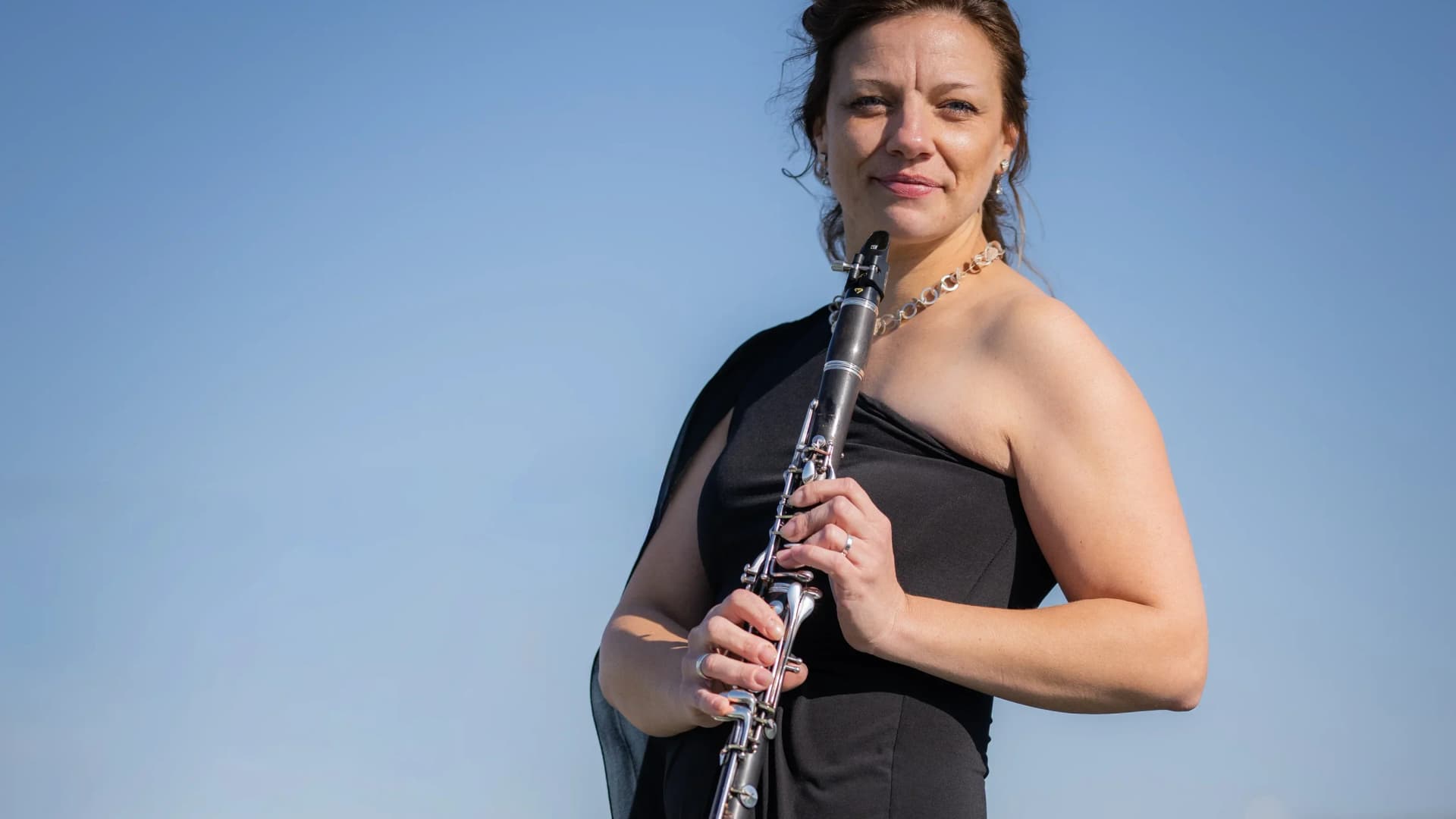
Not every occasion is a funeral or wedding. Sometimes you want to celebrate an anniversary, make a birthday special, or give a corporate event atmosphere. Live music can make the difference between a fun party and an unforgettable experience. But how do you choose the right music?
The function of music at a festive occasion
At an anniversary, reception or corporate event, music has a different function than at a ceremony. It is not about emotional highlights, but about atmosphere. The music should support the conversation, not overshadow it. It should create a sense of specialness without drawing attention.
A common term for this is conversational music: music at a volume that is pleasant as a background, loud enough to be heard, soft enough to be talked to. The ideal volume is when guests notice the music when it stops, but do not consciously listen to it while it's playing.
Choosing the Right Time
You don't have to have live music all evening. The moments with the most impact:
The reception (30-45 minutes): as guests enter and get their first drink. Live music at the reception immediately sets the tone. It makes guests feel like they are in a special place. This is the moment with the most impact per minute of music.
Dinner (45-60 minutes): soft background music during dinner creates intimacy and conviviality. The volume should be lower than at the reception: dining sounds and conversations should dominate.
A special moment: when making a speech, a toast, or a surprise moment, music can enhance the emotion. Think of the song that played at your first dance, now played as a surprise at your 25th wedding anniversary.
45 to 90 minutes of live music in total is usually just right. It's long enough to impress, short enough to stay special. A playlist can take over for the rest of the evening.
Repertoire by occasion
.Marriage anniversary (25, 40, 50 years): music from the decade in which the couple married works particularly well. A couple married in the 1980s will smile to Just the Way You Are by Billy Joel or Endless Love. Pair with timeless classics like La Vie en Rose, Moon River, and Can't Help Falling in Love.
Birthday (50, 60, 70 years): personal favorites of the birthday person are the starting point. Ask the partner or children in advance what music the birthday boy or girl likes to hear. That makes it personal.
Company anniversary or relationship event: neutral, stylish music that suits everyone. Jazz standards (Fly Me to the Moon, Autumn Leaves, The Girl from Ipanema), movie themes (Cinema Paradiso, Moon River), and light classical (Mozart, Debussy). Avoid music with lyrics in Dutch: it attracts too much attention in a business setting.
Reception or drinks: a mix of recognizable melodies and light jazz. The atmosphere is informal, so is the music. What a Wonderful World, Stand by Me, Somewhere Over the Rainbow, Ain't Misbehavin'.
Instrument selection
.On festive occasions, some instruments work better than others:
Piano/keyboard: the most versatile option. Large repertoire, adjustable volume, fits any style.
Clarinet: warm and atmospheric. Can be jazzy and light, as well as classical and elegant. Practical: no amplification needed, can walk around between guests.
Fiddle: elegant and romantic. Perfect atmosphere at a dinner party. Can also play walking around.
Jazz trio or duo: (piano + double bass, or guitar + vocals) for a lounge atmosphere. Slightly more volume than a soloist, but also a fuller sound.
Practical tips
.- Inform the musician about the space.Is it indoors or outdoors? How big is the space? Is there power available? Are there acoustical specifics?
- Give musical preferences. Not everyone likes jazz. Communicate in advance what style you are looking for.
- Discuss volume."Conversation music" is the standard, but clarify this. What is background for one person is too loud for another.
- Plan breaks. Live musicians need breaks (at least 10 minutes per hour). Schedule these during times when music is less needed (for example, when food is being served).
- Think of the neighbors. With outdoor events, noise pollution is a real risk. Check local rules and inform neighbors.